This merger of the Commission for Justice and Peace and the Racial Justice and Healing Commission is planning ways to share ideas and resources rooted in our Baptismal covenant to “strive for justice and peace among all people, and respect the dignity of every human being.”
The Racial History Committee’s role is to help congregations be in conversation about their racial histories, which is not a one-time thing, but rather an ongoing process.
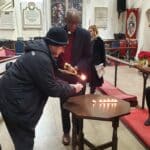
Trinity & St. Philip's Cathedral, in conjunction with Holy Trinity, West Orange, hosted a short vigil for the National TPS Alliance for Immigration on Tuesday, Jan. 7.
The waves of recent immigrants in our communities are creating a diverse society which implies that our Hispanic / Latino Churches have to prepare the way so that these newcomers can be welcomed in our communities.
The Diocese of Newark’s long history of being at the forefront of justice for all God’s people is once again leading the way, this time to ensure that sexism and misogyny is eradicated within The Episcopal Church.
Our specific charge is to gather, preserve, and explore the stories, experiences, perspectives, and complexities of race relations between and among Episcopalians in northern New Jersey, with a principal focus on the histories of BIPOC (Black, Indigenous, and People of Color).
As part of the effort to raise awareness of justice issues across the Episcopal Diocese of Newark, the Commission for Justice and Peace is spearheading a communications effort to inform people across the diocese about the work of the eight groups leading our diocesan justice ministries and encourage them to get involved.